
In many bakery chain stores, inconsistent bread texture and lengthy overnight dough preparation are common operational pain points. In most cases, these issues stem from a mismatch between proofing equipment and the store’s business model and standard workflows.
I. Retarder Proofer Selection by Bakery Chain Business Model
1. On-site Baking Community Chains & Street Retail Bakeries
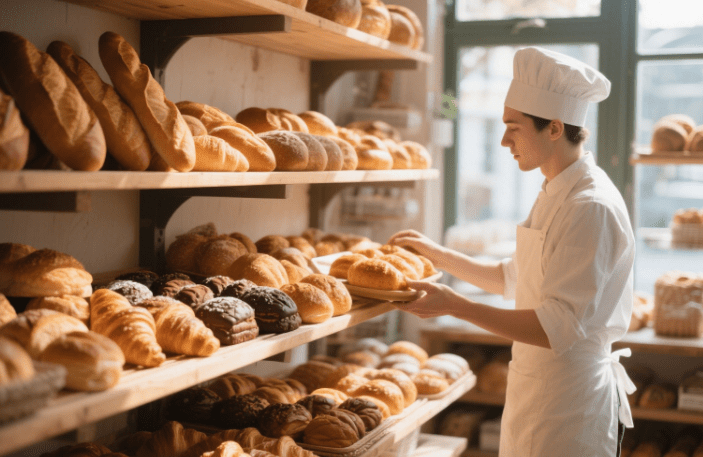
These stores feature limited floor space and lean staffing. Instead of hiring professional senior bakers, they rely on general store staff and mainly sell standard products such as toast, dinner rolls and sweet breads, with core operational goals of low costs and minimum product waste.
Their biggest operational challenge lies in peak-hour preparation pressure. Traditional ambient proofing requires staff to arrive at the store in the early hours, resulting in extremely high labor costs.
Such bakery outlets are best suited for fully automatic, user-friendly, compact and energy-efficient retarder proofers. Professional models support multi-stage intelligent programming, enabling fully automated overnight cold fermentation, morning temperature recovery and segmented proofing cycles. Staff can place dough inside the machine before closing and bake directly the next day, eliminating the need for pre-dawn preparation.
Mid and small-capacity Nicko retarder proofers perfectly fit this scenario. Equipped with an independent refrigeration system and microcomputer touch control panel, the equipment supports automatic humidification and dehumidification, requiring only basic loading and unloading operations from less experienced staff.
Stores are recommended to select models with 24-hour timing and four-stage programmable proofing functions, with a capacity of 8 to 12 trays, paired with reliable heat and moisture insulation performance.
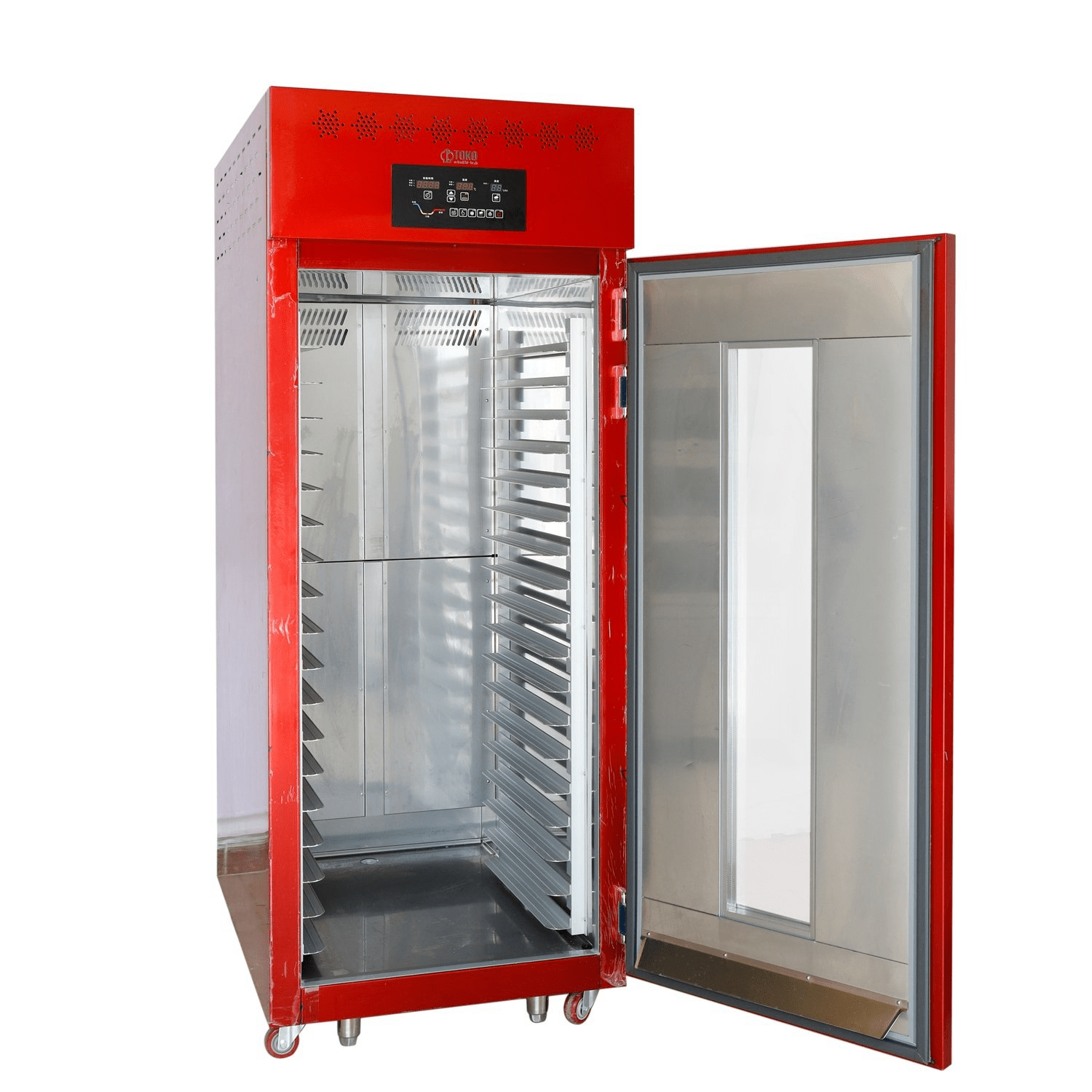
Interview with Operation Director of a Community Bakery Chain: “Our 80+ community stores previously used ordinary proofers. Staff had to arrive at 4 a.m. daily for over 5 hours of preparation. Inexperienced employees struggled to stabilize fermentation parameters, leading to high dough waste. After upgrading to intelligent retarder proofers, pre-dawn shifts were eliminated, labor workload dropped significantly, and each store saves nearly a thousand yuan monthly on ingredient loss alone.”
2. Large-Scale & Brand Bakery Chains
Leading bakery chains typically adopt a central factory production model: standardized pre-made frozen dough is delivered to retail stores, which only perform defrosting, final proofing and baking. The core requirement is consistent product quality across all regional outlets and efficient mass production.
Frozen pre-made dough has an extremely low fermentation tolerance. Slight fluctuations in temperature and humidity will cause noticeable differences in bread quality across stores, damaging brand reputation. Therefore, chain stores require proofing equipment with precise and stable temperature control, replicable universal programs and large batch processing capacity.
Small entry-level models are not recommended for these scenarios. Stores should prioritize medium to large retarder proofers with 16 to 36 trays, featuring stable low-temperature refrigeration at 4℃ to 8℃ and constant humidity functions. Unified program uploading enables synchronized parameter settings across all outlets to achieve standardized baking results. Food-grade stainless steel construction and built-in drainage systems effectively prevent condensation and mold growth for long-term hygienic operation.
Nicko’s multi-capacity series covers 16–36 tray single-door and double-door specifications. The built-in hot air circulation system ensures uniform internal temperature and humidity, while reserved program storage supports standardized replication across chain stores.
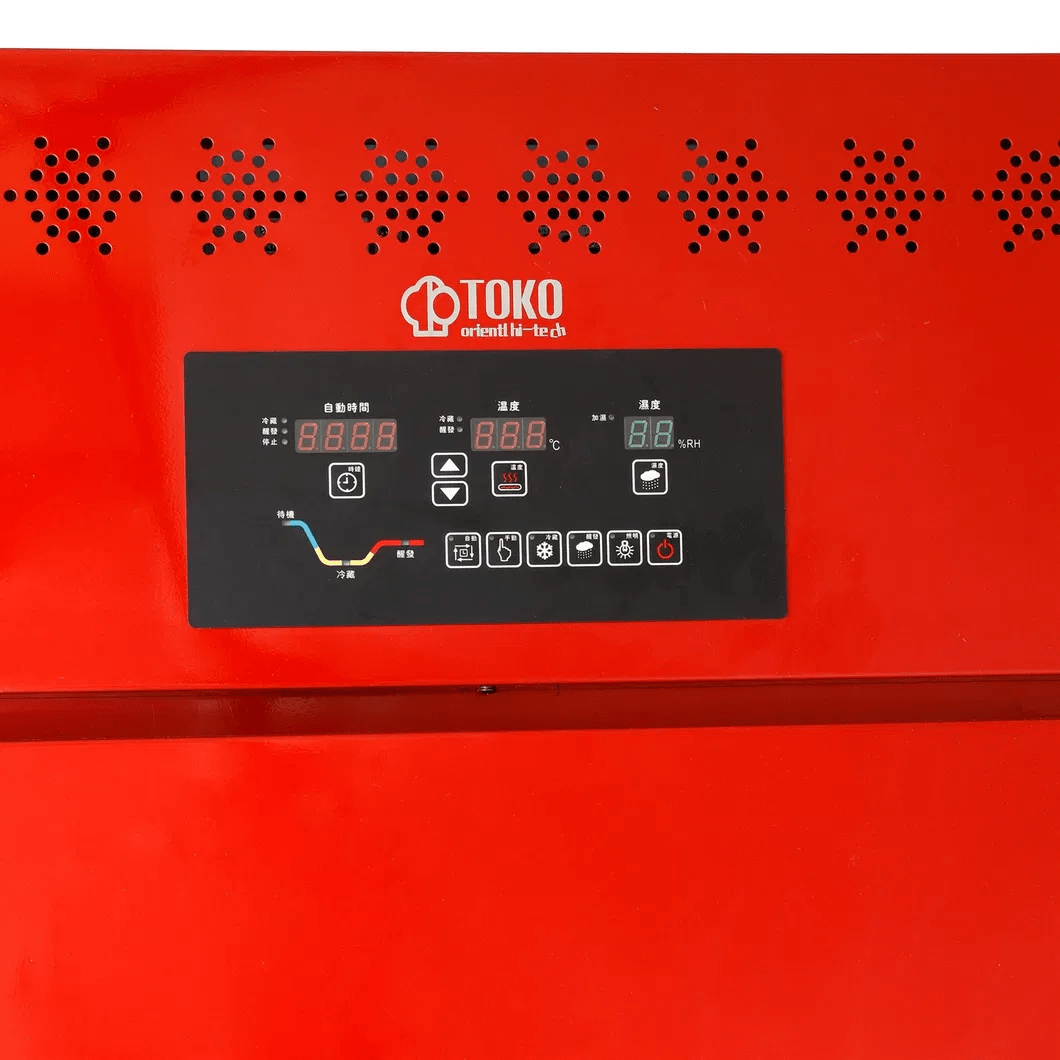
The biggest flaw of the central factory distribution model is uncontrollable in-store proofing quality. In the past, manual parameter adjustment led to inconsistent bread flavor across different cities. Unified deployment of programmable retarder proofers with synchronized fermentation parameters has greatly improved product qualification rates for chain brands.
3. High-End Artisan Bakeries & European-Style Bread Specialty Stores
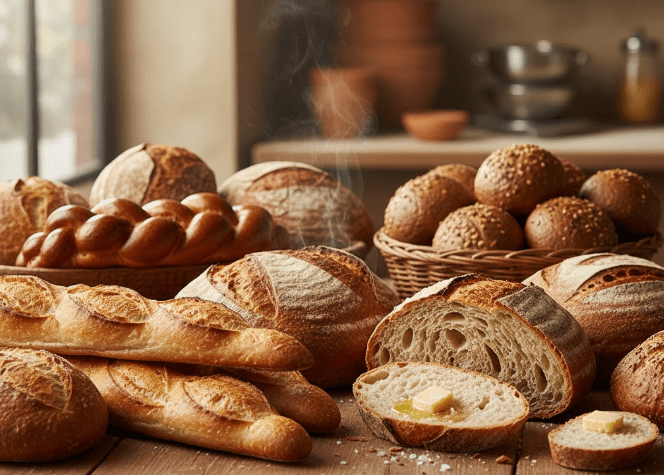
Stores focusing on European bread, Danish pastries, soft breads and croissants rely on low-temperature slow fermentation to form unique flavor profiles and layered textures. Ordinary ambient proofers cannot meet the strict requirements of prolonged cold fermentation.
These premium outlets require professional integrated retarder proofers with wide temperature range regulation, minimal fluctuation and dedicated low-temperature fermentation programs. Customizable fermentation curves support specialized techniques including overnight cold proofing for European bread and segmented proofing for Danish pastries. Fast temperature and humidity rebound after door opening effectively avoids external environmental interference and ensures stable fermentation progress.
Field tests show that overnight fermentation with ordinary proofers accelerates dough aging and results in high rejection rates. Professional wide-range retarder proofers significantly stabilize dough flavor and texture, effectively boosting customer repurchase rates.
Selected Nicko retarder proofer models support ultra-low temperature operation down to -18℃, enabling dual functions of long-term frozen dough storage and low-temperature slow maturation. The independent refrigeration system delivers steady, gradual fermentation, and customizable programs perfectly match the prolonged low-temperature maturation requirements of croissants and artisan European breads.
II. Equipment Selection Based on Full In-Store Operational Workflows
The most severe labor waste in chain bakeries comes from early-morning dough preparation. Traditional workflows require bakers to arrive at 3–4 a.m. for dough defrosting, parameter adjustment and proofing, which is labor-intensive and prone to inconsistent baking results.
High-performance retarder proofers completely optimize this workflow. Before closing, staff place prefabricated or homemade dough into the equipment and set segmented programs. The machine automatically completes low-temperature water-locking freezing, constant-temperature cold resting, gradient temperature recovery and pre-proofing throughout the night. No on-site supervision is required, and staff only need a simple inspection before baking the next day.
In addition, lunch and dinner peak hours demand continuous, zero-shortage production with consistent quality. Ordinary proofers fail to meet such needs due to unstable temperature and humidity recovery and slow environmental adjustment.
Professional chain-grade retarder proofers adopt hot air circulation and rapid temperature-humidity rebound technology, quickly restoring preset working conditions after door opening to maintain stable fermentation. Large-capacity shelf and trolley-compatible designs support full-tray and full-cart batch proofing, boosting operational efficiency by over 40% compared with conventional equipment. Multi-batch program memory allows simultaneous proofing for toast, dinner rolls and pastries, maximizing peak-hour production capacity.
Furthermore, dough waste is a key factor affecting chain profitability. Manual control of fermentation duration, temperature and humidity easily causes over-proofed or under-proofed dough, resulting in scrap loss and cumulative long-term cost waste.
Intelligent retarder proofers deliver full digital process control with precise locking of fermentation time, temperature and humidity parameters, eliminating human-error waste at the source. Built-in fault detection and early warning systems also prevent large-scale dough scrapping caused by equipment malfunctions.