
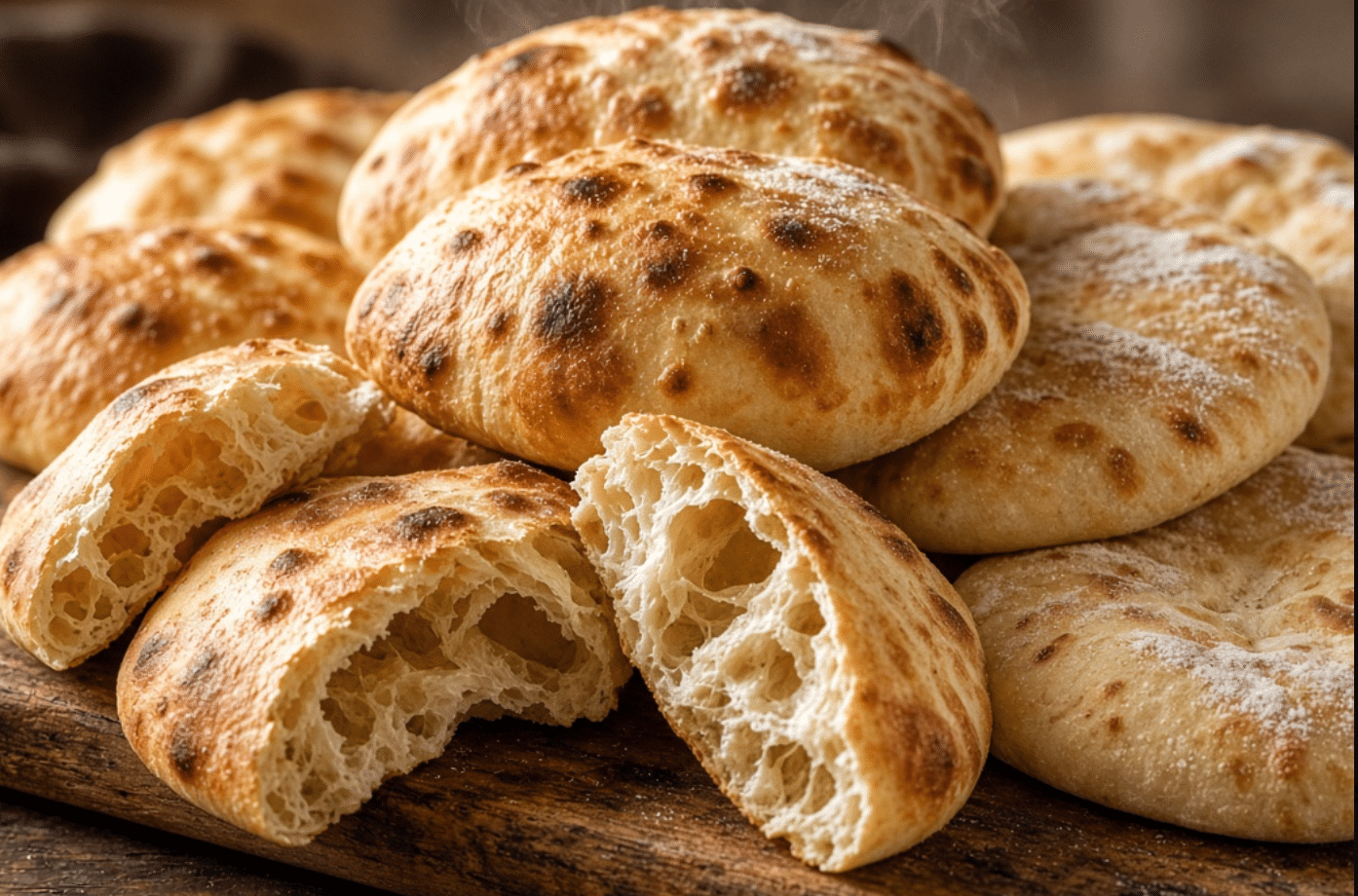
Unlike European-style loaves or sandwich bread, Arabic bread and pita demand an entirely different baking approach: intense high heat, rapid expansion, and a very short bake time.
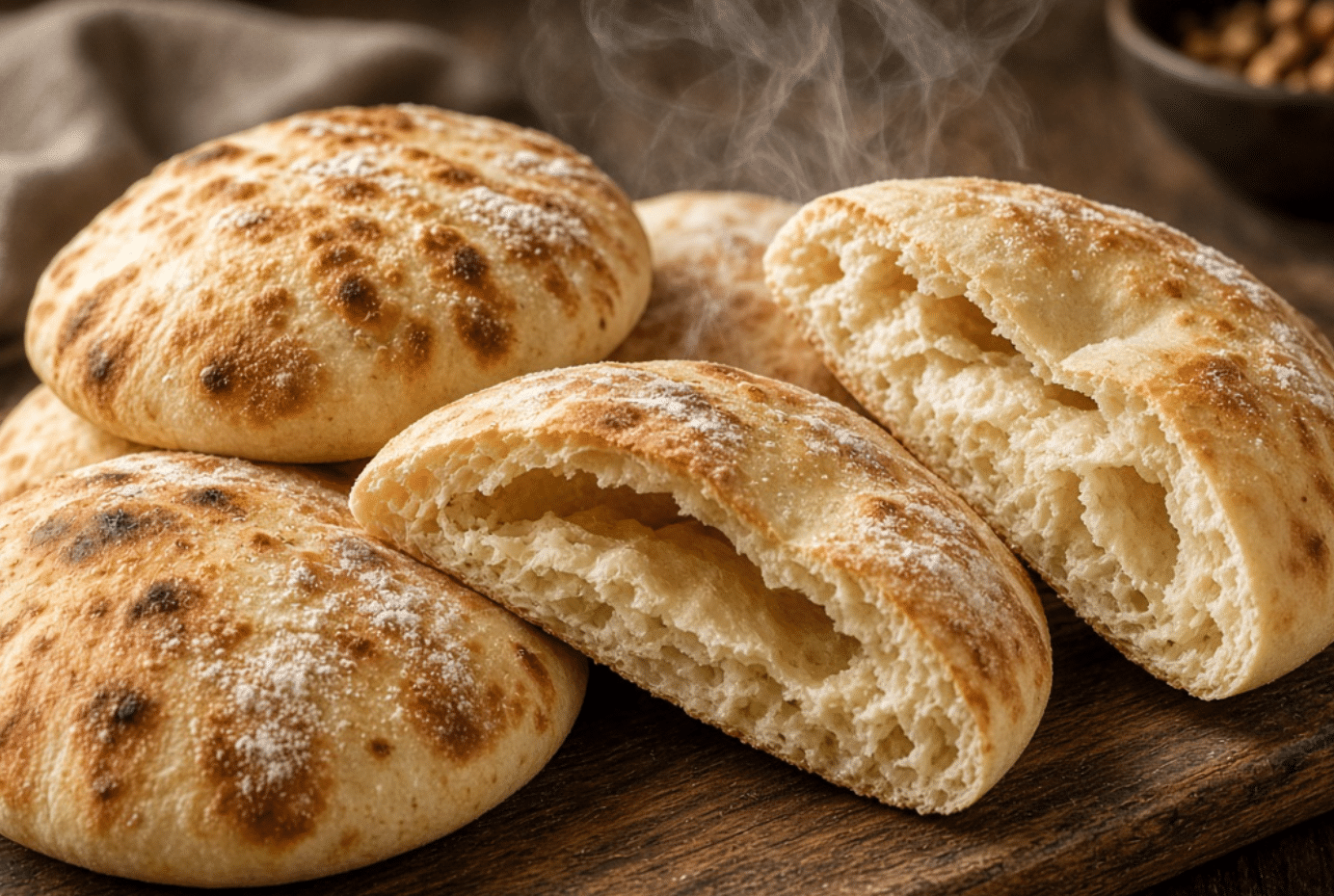
The oven must reach and hold 350°C to 450°C+ so that moisture inside the dough turns to steam within seconds, creating the signature hollow pocket while the surface sets without becoming excessively hard or burnt.
For commercial bakeries, Middle Eastern restaurant chains, and industrial bakeries, a general-purpose oven is rarely the right choice. A dedicated commercial Arabic bread and pita oven is the more reliable solution.
Kontos Foods in Paterson, New Jersey, is one of the best-known U.S. producers of pita and Middle Eastern flatbreads. With multiple plants and exports to the Middle East, Asia, and South America, the company runs high-speed automated lines that include dividing, proofing, sheeting, and continuous tunnel baking — all built around specialized ovens designed for this product category.
Toufayan Bakeries, another major U.S. pita brand supplying national supermarket and foodservice channels, also relies on dedicated high-volume equipment in its central production facilities to produce traditional and sourdough pita at scale.
1. Match the Oven Type to Your Production Scale
Different bakery sizes require different oven solutions.
1. Tunnel Pita Oven
Ideal for large industrial bakeries producing thousands to tens of thousands of pieces per day and integrating automated dividing and proofing lines.
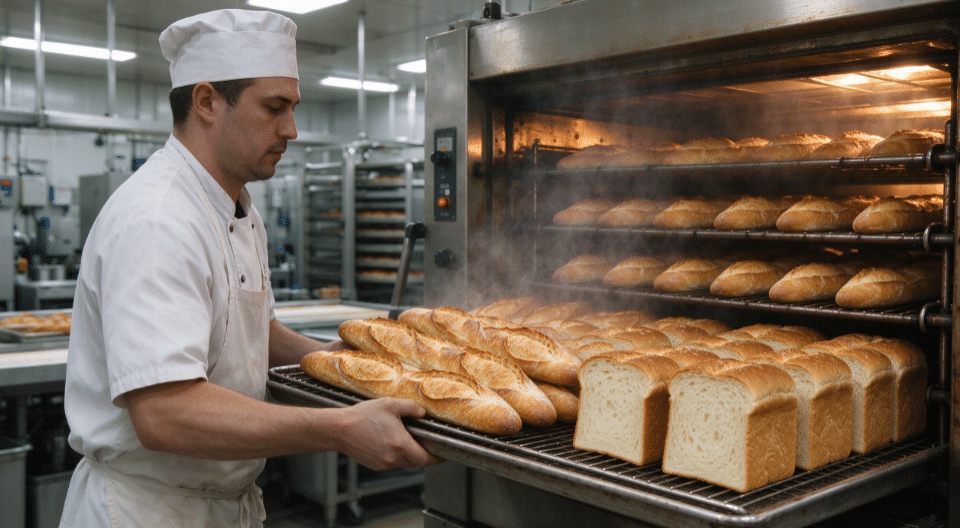
These ovens use continuous conveyors (metal mesh belts or high-temperature stone-plate chains). Dough enters at one end and exits fully baked at the other, enabling nonstop production. Multi-zone temperature control delivers high output and excellent consistency.
2. High-Temperature Deck Oven (Electric or Gas)
Best suited to artisan bakeries, Middle Eastern restaurants, and supermarket in-store bakeries that emphasize handcrafted character.
Thick refractory stone or heavy steel decks store substantial heat. Direct contact with the hot deck produces rapid bottom heat, natural blistering, and a traditional hearth-style flavor. These ovens are relatively compact and can be stacked for additional capacity.
3. High-Heat Impingement / Rapid-Cook Oven
Designed for quick-service restaurants and locations with limited space or restricted ventilation.
Powerful vertical airflow dramatically shortens cook times. These ovens heat up quickly, offer flexibility, and can also handle naan, other flatbreads, and sandwich applications.
2. Key Performance Criteria That Affect Quality and Profitability
1. Maximum Operating Temperature and Heat Recovery Rate
Successful pita production depends on thermal shock. If the oven temperature is too low, the dough remains flat and dense instead of forming a pocket.
Look for equipment that can stably reach 380–450°C (or higher). Equally important is recovery speed: when successive loads of cool dough enter the chamber, the heating system (high-powered gas burners or infrared/electric elements) must restore temperature within seconds so that pocket formation remains consistent.
2. Deck Material and Independent Top/Bottom Heat Control
The bottom of the dough needs an immediate heat surge to generate steam pressure, while the top requires controlled heat to set the structure. Independent top and bottom heat control prevents problems such as burnt bottoms with underdone tops or hard tops with soft bottoms.
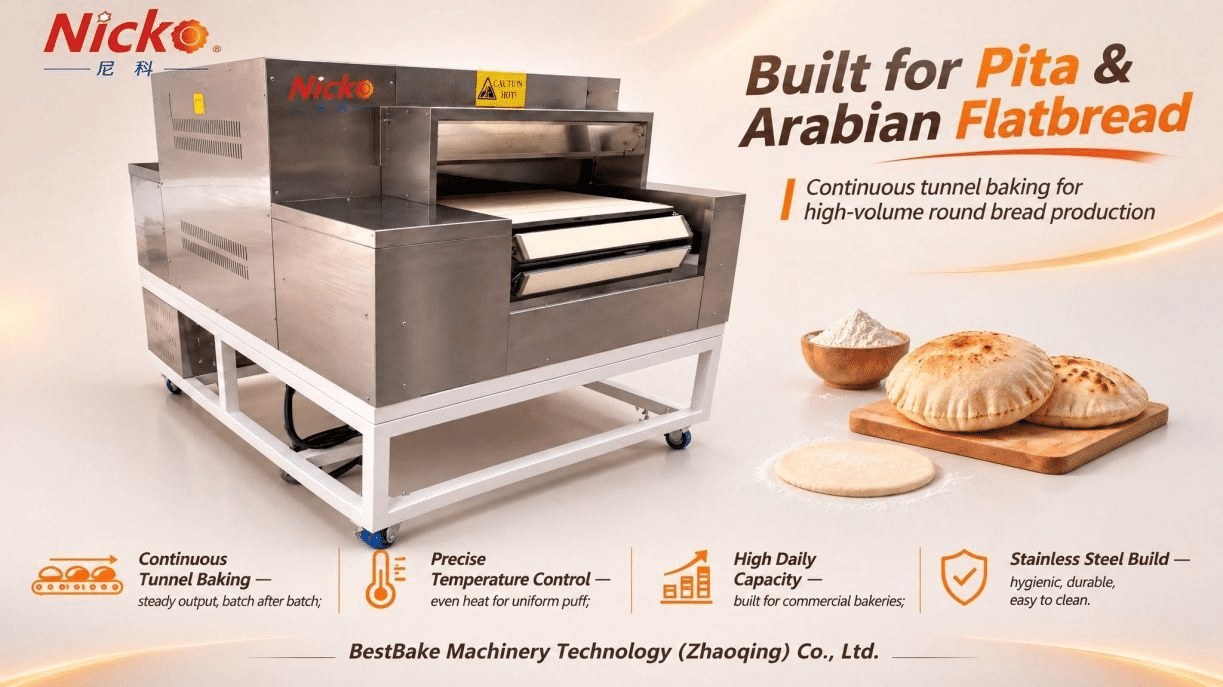
Prefer models with high-density refractory stone or heavy carbon-steel/cast-iron decks and precise independent top/bottom temperature control. For example, the Nicko Commercial Arabic Bread Oven features a specialized stone conveyor that stores heat effectively, maintains stable bottom heat, and minimizes heat loss.
3. Thermal Efficiency, Insulation, and Energy Use
Running at 350°C+ for extended periods consumes significant energy. Superior insulation reduces unit energy cost and keeps the kitchen cooler.
Choose ovens with thick industrial-grade high-temperature insulation (rock wool or ceramic-fiber blankets of 100 mm or more). Gas models typically deliver stronger thermal shock, faster heat-up, and lower operating costs for high-volume production. Electric models offer finer temperature control and simpler installation where gas is unavailable.
4. Conveyor Speed and Programmable Controls (for Automated and Chain Operations)
At these high temperatures, bake times are often only 45–90 seconds. An extra 10 seconds can dry the product out and make it brittle.
Tunnel ovens should have variable-frequency drives for precise dwell-time control. Modern deck or rapid-cook ovens should offer multi-recipe memory and accurate timers with automatic alerts or discharge.
The Nicko Commercial Arabic Bread Oven uses imported electrical components and a PLC touch-screen control system that allows precise adjustment of bake time and temperature for different products. Temperature profiles and belt speed can be locked in, so dough enters one end and exits the other automatically — eliminating the need for constant door opening and turning.
The same oven is versatile enough to handle Arabic bread, pita, other flatbreads, pizza, conventional bread, cakes, and even some meat or fish applications, with custom configurations available.
5. Build Quality and Ease of Cleaning
At high temperatures, thin steel can warp and flour residue carbonizes quickly.
Select ovens constructed from heavy-gauge stainless steel that resists deformation. Door hinges and seals must withstand repeated high-temperature cycling. Decks or belts should allow easy scraping and cleaning access.
By matching oven type to production volume and carefully evaluating temperature capability, heat recovery, deck performance, energy efficiency, controls, and build quality, bakeries can achieve consistent pocket formation, superior product quality, and better long-term profitability.