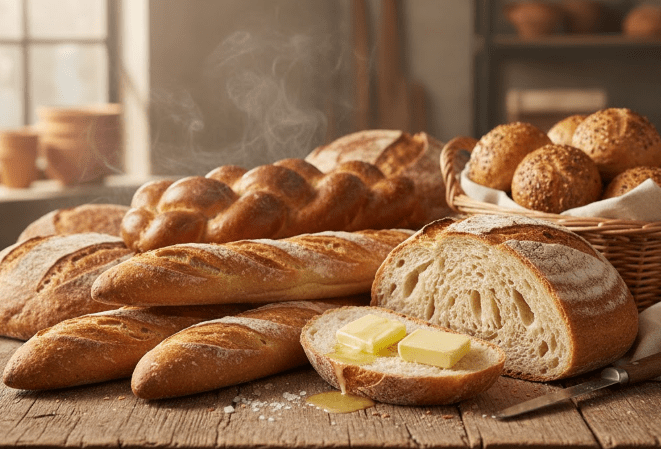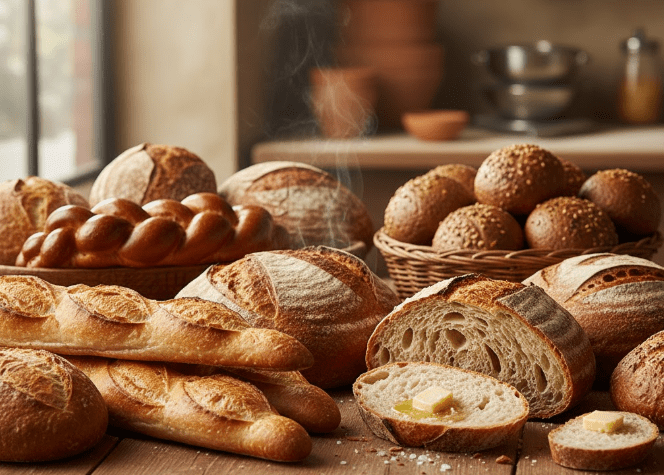

For bakery operators, selecting baking equipment aligned with production capacity and customer positioning is fundamental. Among all machinery, proofers directly govern fermentation quality while capping production output and operational costs, making them one of the most critical pieces of bakery hardware.
Many bakery owners face the same dilemma during business expansion: “Retarder proofers cost two to three times as much as standard proofers. Is this investment truly worthwhile?” This guide delivers an all-round comparison between retarder proofers and standard proofers, covering fermentation biology, workflow optimisation, and bread flavour development.
Full Technical Comparison: Retarder Proofer vs Standard Proofer
1. Standard Proofer
Standard proofers adopt one-way heating and humidification systems, operating at a fixed temperature range of 30°C to 40°C with relative humidity maintained between 75% and 85%. Designed exclusively to accelerate yeast reproduction, they demand immediate baking once dough is shaped. Delayed baking leads to over-fermentation, resulting in collapsed, sour loaves.
2. Retarder Proofer
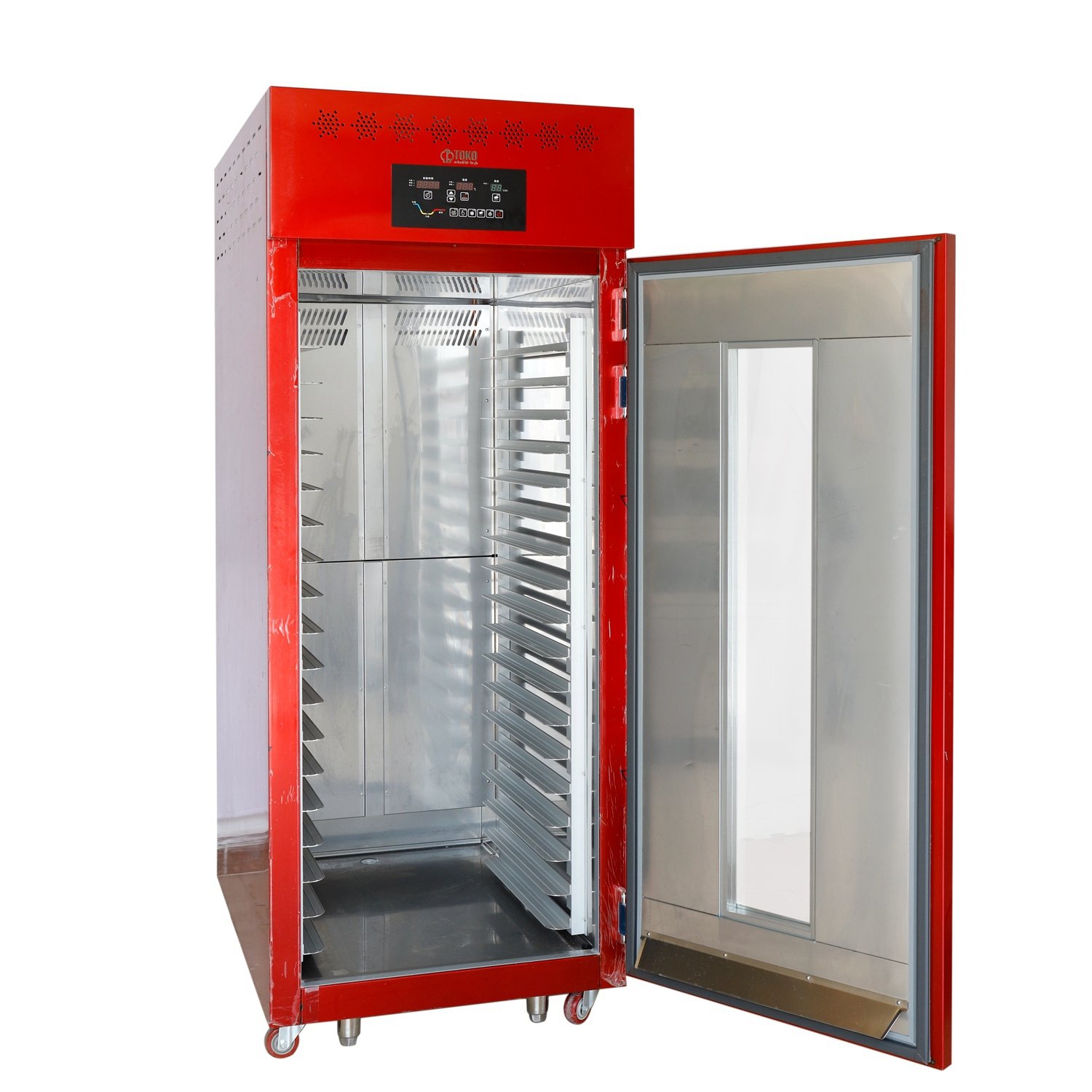
Retarder proofers integrate three core functions: refrigeration, heating and precision humidity regulation, supporting adjustable operating conditions spanning -18°C to 38°C. Operators can set multi-stage automated schedules via microcomputer control. For example, shaped dough loaded overnight is first flash-frozen at -18°C to lock in freshness. The unit automatically shifts to 4°C for thawing and gentle retardation at dawn, then ramps up to 35°C to complete proofing by the pre-set time.
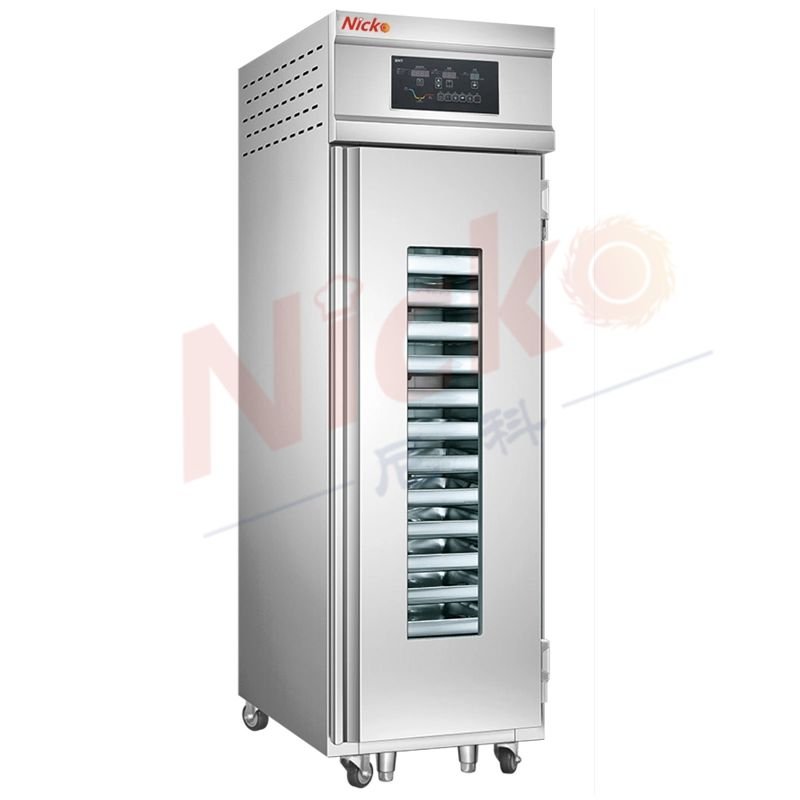
Commercial-grade models such as Nicko’s Retarder Proofer (https://www.nicko.com.cn/product/retarder-proofer/) feature full stainless steel construction and eco-friendly foam insulation to minimise internal temperature fluctuations. Equipped with touchscreen microcomputer controllers and circulating hot air fans, these units ensure even distribution of temperature and humidity across the entire chamber.
Differences in Bread Flavour & Dough Texture
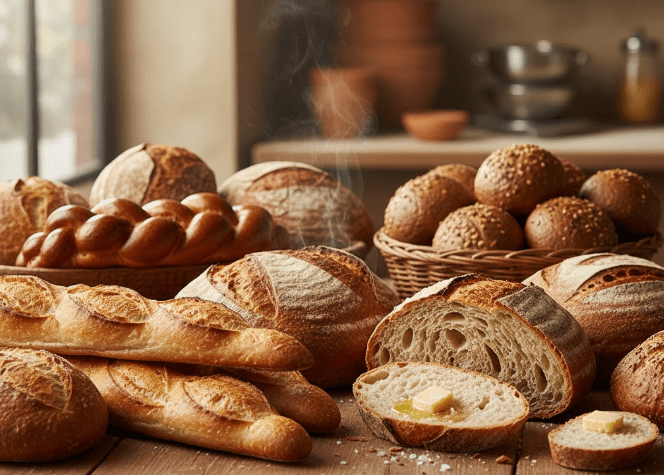
Fermentation duration and pace are decisive factors shaping baked goods’ sensory profiles. Standard proofers prioritise ultra-fast rising, while retarder slow fermentation delivers deeper flavour and superior crumb texture.
From a fermentation biology perspective, yeast activity is significantly suppressed at 2°C to 4°C, slowing gas production to avoid excessive dough expansion. Meanwhile, amylase and protease enzymes inside dough remain active at a gradual rate: starches break down into simple sugars, and proteins decompose into amino acids.
These simple sugars intensify the Maillard reaction during baking, generating rich malty aromas and an appealing golden crust hue. The released amino acids also extend bread shelf life, a lesser-known advantage of cold retardation. Additionally, slow fermentation facilitates balanced growth of lactic and acetic acid bacteria, creating layered, well-rounded flavours for artisan sourdough and European-style bread without the harsh yeasty tang produced by rapid proofing.
Commercial Benefit Comparison Table
| Comparison Item | Standard Proofer | Retarder Proofer |
|---|---|---|
| Core Function | Single-function heating & humidification for fast proofing | All-in-one: flash-freeze preservation + cold retardation + automatic staged proofing |
| Fermentation Cycle | Short cycle (completed within 1–2 hours) | Fully flexible long-cycle delayed fermentation (12–48 hours) |
| Baker Shift Schedule | Staff arrive at 3:00–4:00 AM for mixing and on-site fermentation | Staff clock in at 6:30–7:00 AM, with dough ready for direct baking |
| Bread Flavour & Shelf Life | Milder flavour, prone to rapid staling | Rich malty notes, moist crumb and strong anti-staling properties |
| Production Flexibility | Low; mixing, proofing and baking must happen consecutively | Extremely high; bulk dough prepped during off-peak hours for later use |
| Equipment Cost | Low entry price (NT$ 20,000 – 50,000) | Mid-to-high upfront cost (NT$ 120,000 – 300,000+) |
How Retarder Proofers Deliver Fast ROI
Despite higher upfront procurement costs, financial analysis of profit-and-loss statements shows retarder proofers recoup their investment within 6 to 12 months through labour savings and production efficiency gains.
- Cut expensive night-shift labour premiums Traditional bakeries require costly overnight staffing to ensure fresh bread hits shelves by 8 AM. With a retarder proofer, bakers finish mixing and shaping dough by 4 PM the previous day and programme the unit’s automatic cycle. Only one staff member is needed the next morning to load loaves into ovens, drastically slashing payroll expenses.
- Boost flexible production capacity Bakeries often face idle labour and equipment capacity during afternoon off-peak periods. A retarder proofer allows concentrated dough preparation in the afternoon to create pre-shaped dough stock for 1–2 days ahead, maximising utilisation of labour and machinery.
- Reduce revenue losses from stockouts During unexpected demand surges, pre-frozen retarded dough can be switched to a rapid proofing cycle, ready for baking within 30 to 45 minutes to restock shelves and eliminate lost sales.
Equipment Selection Decision Guide
Choose a Standard Proofer if:
- You operate a newly launched bakery studio with an extremely tight budget
- Your core products are quick-bake sweet buns and Taiwanese toast with fixed daily output, with no cross-day dough preparation
- Your kitchen has limited floor space and already houses standalone high-efficiency blast freezers and refrigerators
Upgrade to a Retarder Proofer if:
- Your bakery specialises in French loaves, sourdough, croissants and viennoiserie
- You aim to eliminate gruelling overnight shifts and improve team working conditions
- You run a central production kitchen, multi-location bakery chain or wholesale supply operation
When purchasing a retarder proofer, prioritise models with microcomputer precision temperature control and circulating hot air systems such as Nicko’s retarder proofer. These units feature high-density eco-friendly insulation and intuitive digital displays that streamline automated fermentation workflows.
References
- Pyler, E. J., & Gorton, L. (2010). Baking Science & Technology (4th ed.). Sosland Publishing Company. (Guidelines for bakery temperature control systems and automated fermentation standards)
- AIB International. Baker’s Handbook on Fermentation and Proofing Control. American Institute of Baking. (Industry standard temperature & humidity parameters for commercial fermentation)
- Cauvain, S. P., & Young, L. S. (2007). More Baking Problems Solved. Woodhead Publishing.
- Calvel, R. (2001). The Taste of Bread. Springer Science & Business Media. (Classic research by Raymond Calvel on low-temperature long fermentation and bread flavour profiles)
- Myhrvold, N., & Migoya, F. (2017). Modernist Bread. The Cooking Lab. (Studies on enzymatic activity and biochemical changes of dough under cold storage)
- Goesaert, H., et al. (2005). Wheat flour constituents: how they impact bread quality, and how to impact their functionality. Critical Reviews in Food Science and Nutrition, 45(1), 45-68.
- Van Boekel, M. A. J. S. (2006). Formation of flavour compounds in the Maillard reaction. Biotechnology Advances, 24(2), 230-233. (Chemical pathways of flavour compound generation via the Maillard reaction)
- Gray, J. A., & Bemiller, J. N. (2003). Bread staling: molecular basis and control. Comprehensive Reviews in Food Science and Food Safety, 2(1), 1-21.
- Gänzle, M. G. (2014). Enzymatic and metabolic properties of sourdough lactobacilli. Journal of Cereal Science, 60(3), 449-456. (Mechanisms of flavour regulation via lactic acid bacteria metabolism under low-temperature fermentation)
- Gisslen, W. (2016). Professional Baking (7th ed.). John Wiley & Sons.